How to Understand Someone’s Perspective: The Coach’s Ear Method
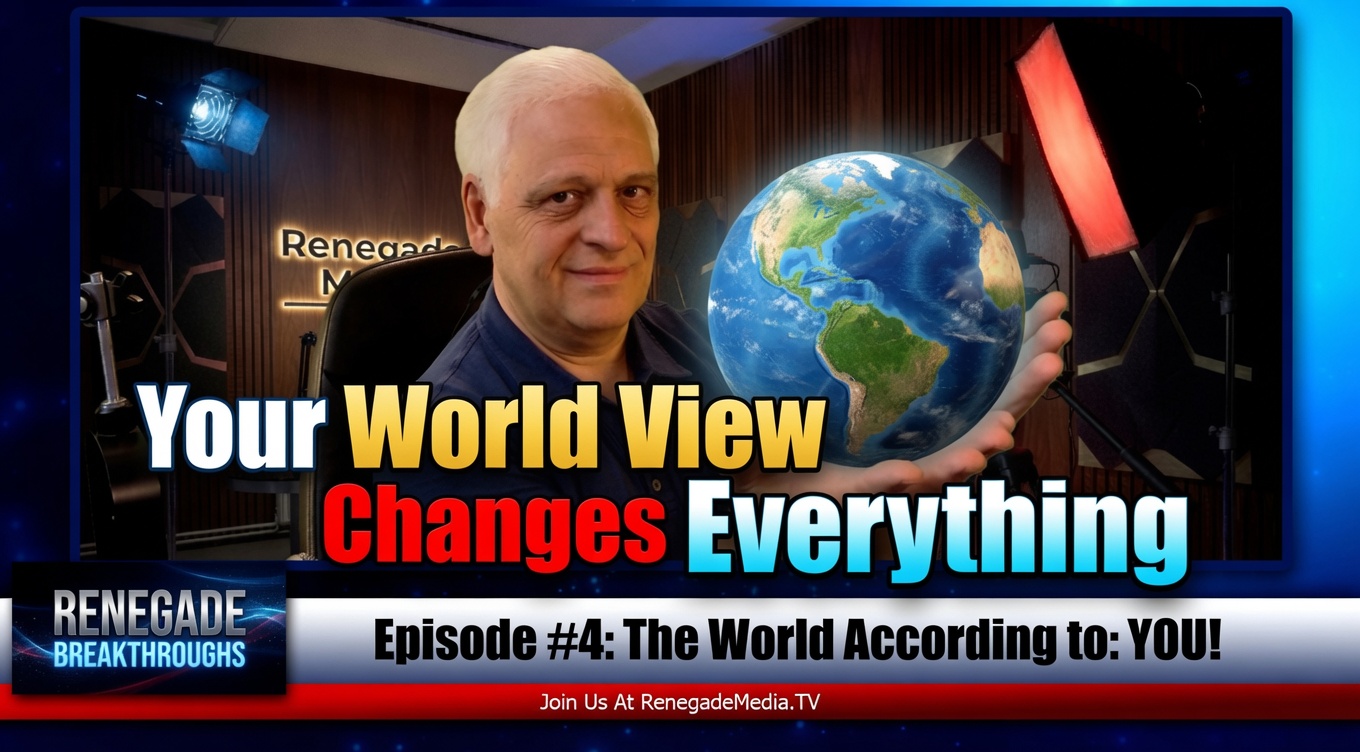
Before I dig into coaching anybody, I want to learn a few things about that person first. I ask questions. Then I shut up and listen.
If you’re a coach and you’re speaking more than the person you’re coaching, you’re doing it wrong. And if you want to know how to understand someone’s perspective — a client, a family member, a stranger on the other side of the political fence — the method is the same one I use in every coaching session: listen for what’s underneath the words.
The Coach’s Ear Is Real
I don’t just listen to what people say. I listen for what they don’t say.
Specifically, I’m listening for three things:
Their beliefs — what they’ve decided is true about the world
Their values — what matters most to them
Their rules — the standards they hold themselves and everyone else to
Get a read on those three things, and you have a working foundation you can actually build on. Skip that step, and you’re just guessing.
Here’s the part most people miss: I can absolutely coach someone who doesn’t share my beliefs, values, or rules. But how I work with them changes completely depending on what I find. That’s why real coaching is personal, not a script.
A lot of people who call themselves coaches today run a one-size-fits-all system. Ask the same questions, give the same framework, every client gets the same playbook. Here’s the problem — we already have AI for that. Those coaches will be gone before too long, replaced by the very thing they were imitating. The coaches who survive will be the ones who can actually read a person.
Why This Skill Matters More Than Ever
We’re divided right now — and I don’t think that’s controversial to say. The question worth asking is: are people getting along more than they used to, or less?
Less. Obviously less.
A big piece of that comes down to where our values get shaped. As the media and information we each consume pulls us further apart, our values drift further apart too — and the wider that gap gets, the harder it becomes to even talk to each other.
Take something as simple as freedom. You might value it as the ability to do what you want, as long as you’re not forcing your beliefs onto anyone else. Someone else might genuinely believe we should all live under the same set of rules — and that there’s never quite enough rules to make that happen. We’ve built a world with so many laws and regulations that nearly everyone breaks one, somewhere, every single day. At some point, if that keeps going, all of us become criminals by default. That’s not a world I want to live in.
Notice something: I didn’t say either view is right or wrong. I just described the belief. That’s the whole skill.
A Case Study: Reading a League’s “Model of the World”
Here’s where this gets practical, not just philosophical.
I’ve been following the officiating controversy around the WNBA — specifically the treatment of Caitlin Clark and Sophie Cunningham. The pattern is hard to miss: blatant fouls against Clark go uncalled, while she and Cunningham get whistled for things that barely register as contact.
The obvious question is why. Why would a league let its two biggest draws — the players pulling in the ratings, the sponsorships, the ticket sales — take that kind of treatment without protection?
If you look at it purely through a “grow the business” lens, it makes no sense. But that’s the mistake — you’re using your model of the world to judge their decisions. The more useful question is: what does the league seem to value, based on how it’s actually behaving? What rules does it appear to be operating by?
Once you ask it that way, the pattern starts to make more sense — whether or not you agree with the priorities it reveals. That doesn’t mean you have to like the outcome. It means you’ve stopped being confused by it.
The Political Divide Is a Perspective Problem
The same exact process applies to politics.
I have family in Canada who are 100% anti-Trump. Every conversation, every headline, every take — one direction. Does that make me mad? Not even a little. Because once I understood that their entire model of the world had been shaped by a media diet that only ever presented one side, their position stopped being confusing and started being predictable. Of course that’s where they landed. There was no other input available to them.
Once I know where someone is coming from, I can frame the whole conversation around that — without an ounce of stress, because I’m not walking in with an agenda to change their mind. If they ask why I believe what I believe, I’ll tell them. But that’s not my goal. My goal is simply to understand where they’re standing, and see if there’s anything in their view that has value inside my own model of the world.
You can learn something from anybody — if you’re actually willing to listen.
How to Understand Someone’s Perspective Without Losing Your Own
The smartest people I’ve met over 30 years of coaching aren’t the ones with the most degrees. They’re the ones who hold their beliefs firmly, but stay flexible enough to update them the moment better information shows up.
So here’s the real test, and it’s the one I’d challenge you with today: are you willing to sit with an idea that contradicts what you believe, just long enough to find out if it’s actually true — or a better version of a truth you already hold?
That’s how you understand someone’s perspective. Not by agreeing with it. By getting curious enough to see it clearly first.
If this kind of thinking resonates with you — if you’re the entrepreneur who wants to lead people instead of just manage them — this is exactly the mindset work we go deep on inside The Renegade Edge. It’s one live workshop, one room, and one focused shift in how you see the people you’re trying to lead, sell to, or serve. [Grab your seat at renegade.club/the-edge].
The post Understand Someone’s Perspective appeared first on Robert Imbriale.